ETH Zurich implant turns excess blood glucose into gluconate in mice
Image: Debasis Maity, Biotechnology and Bioengineering Group / ETH Zurich · press-kit
A wirelessly powered electrocatalytic implant regulated blood sugar in diabetic mice over six weeks, according to a Science paper from ETH Zurich dated 22 October 2026.
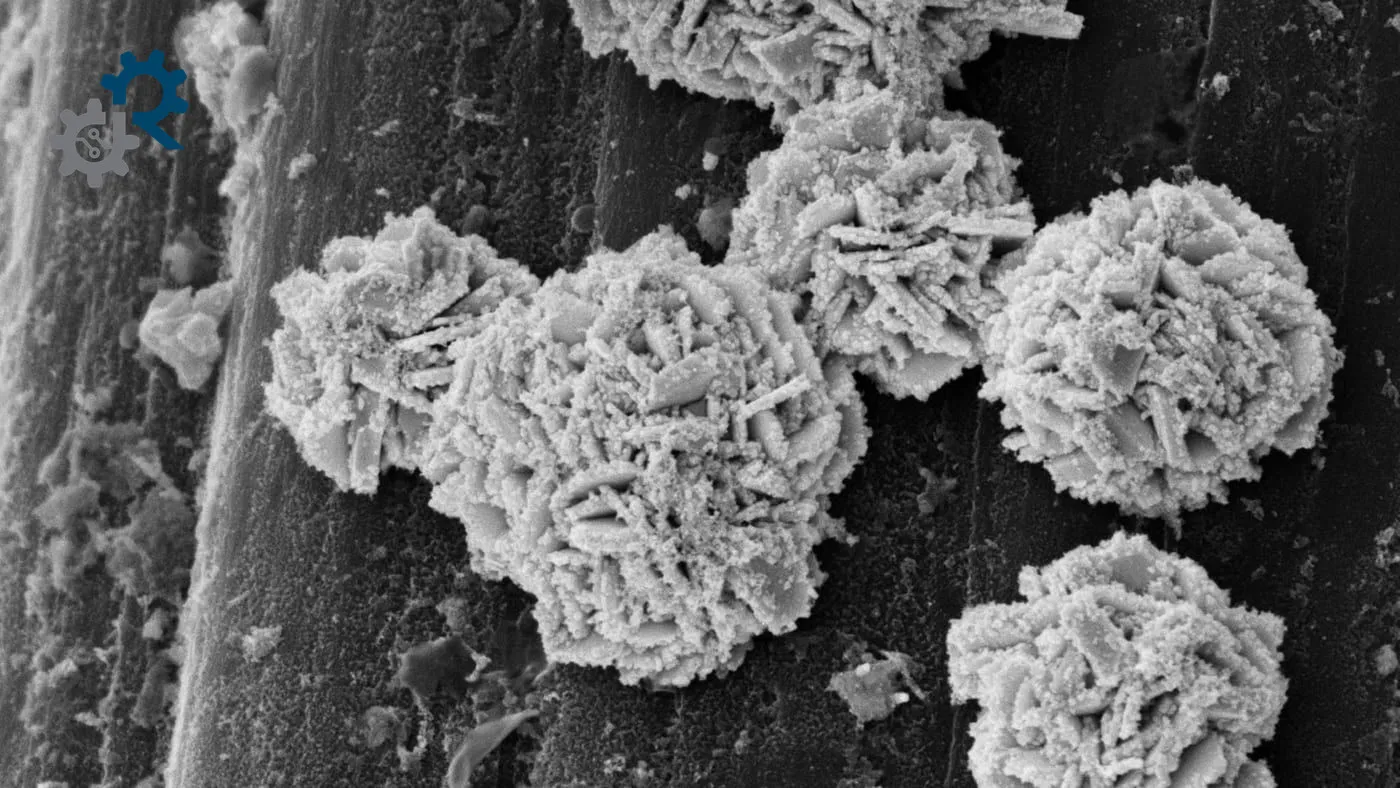
A team led by Martin Fussenegger at ETH Zurich reported on 22 October 2026, in Science, an implant that lowers blood sugar without drugs, cells or enzymes. It uses an inorganic catalyst: graphite felt studded with gold nanoclusters and decorated with platinum particles.
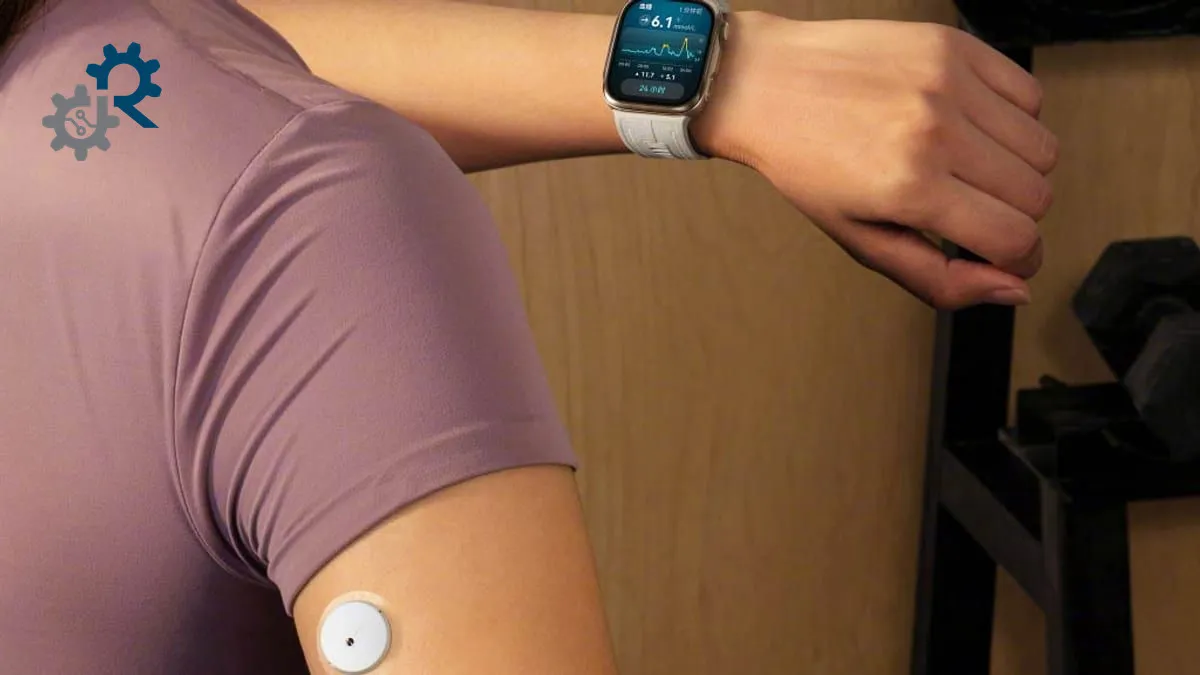
The device is powered wirelessly at 13.56 MHz and converts excess glucose into gluconate, which the kidneys excrete in urine. A standard glucose sensor reports tissue levels, a signal passes over Bluetooth from a smartphone or smartwatch, and the catalyst switches off once glucose reaches the target range.
In a laboratory test the catalyst converted glucose in a 5-litre nutrient solution, roughly the volume of human blood. In mice with type 2 diabetes the implant held blood sugar in the normal range, and over six weeks the animals lost weight. The system has not been tested in humans. IEEE Spectrum reports that the team plans studies in larger animals, such as rabbits and pigs, before any human trial.
Sources
- ETH Zurich via EurekAlert Primary source
- IEEE Spectrum