Google smartwatch model flags signs of hypertension in a 196-person study
Image: Google Research / research blog (Di Achille and Poh) · press-kit
On 5 November 2026 Google Research reported in Nature a model that screens for hypertension from consumer smartwatch signals, in early feasibility work.
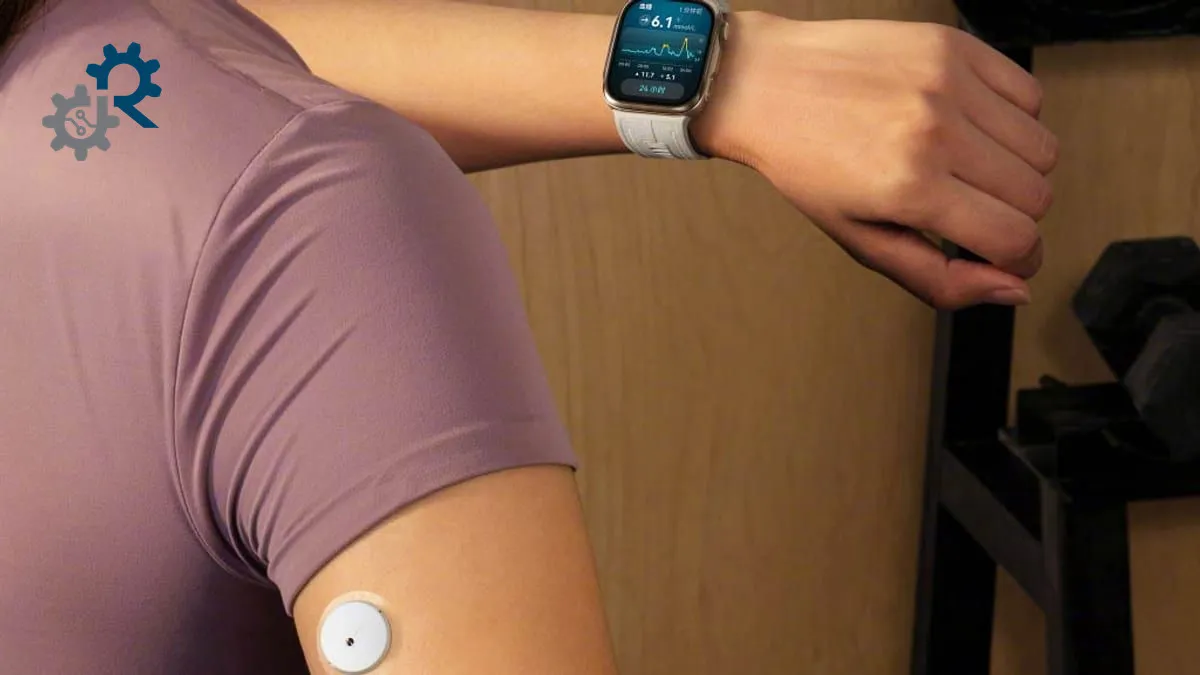
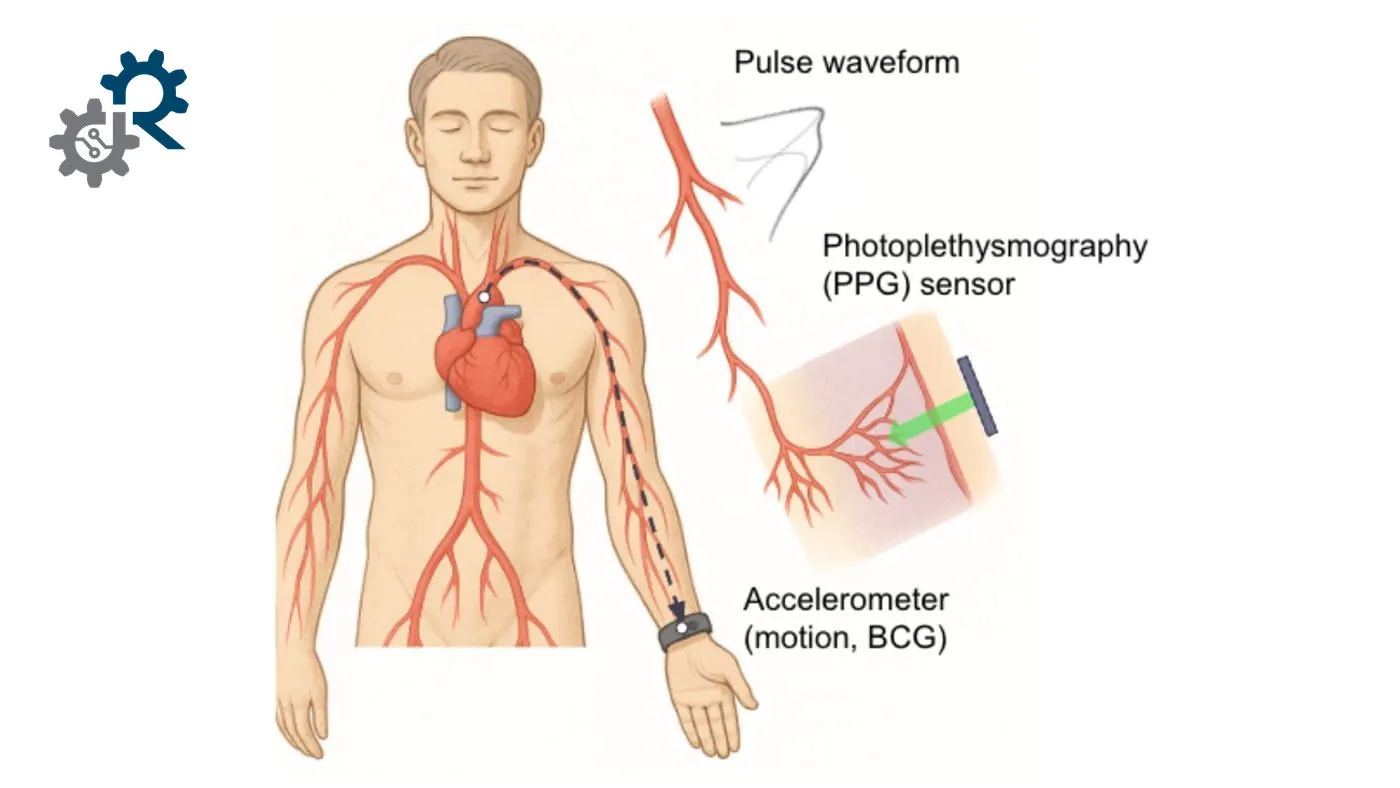
Google Research published a study in Nature on 5 November 2026 describing a model that detects signs of hypertension from a consumer smartwatch, without an arm cuff. It reads photoplethysmography and accelerometer signals and uses several days of wear data rather than a single reading.
The team pre-trained it on 492,347 hours of unlabeled sensor data from 2,109 participants, then validated it in a prospective study of 196 people at five US sites against 24-hour ambulatory blood pressure monitoring. In initial screening the model reached 65.8% sensitivity and 90.0% specificity, against 55.3% and 77.8% for office measurement. In a confirmatory subset of 48 participants, sensitivity was 78.4% and specificity 90.9%.
The authors describe the work as early feasibility research. Participants had no known cardiovascular disease and took no blood pressure medication, and the confirmatory subset is small. The tool is not meant to replace a cuff or to give a standalone diagnosis, and Google states it does not indicate a commercial product feature.
Sources
- Google Research Primary source